

Internal Reflections
-
Korean Heritage: Han - 한/恨 Jeong - 정/情
Understanding our culture starts by telling the story and acknowledging our emotions.
In your culture you may have certain words that explain certain feelings relating to the history and lineage. When we start to tell our stories, we allow others to understand us and by listening, we can understand others. I give you two examples of my Korean heritage, Han & Jeong - please enjoy the links below to get an understanding of these two words that made me to my core who I am. If you have any words or relations to these articles, please feel free to email me and share.
-
A Nation of Nations:
Being a part of a Democratic Nation, it is up to us to not be indifferent and understand it is our responsibility to do the right thing for all citizens and all nations and acknowledge we are a part of them. Our true power that no one can take away from us, except ourselves; is we have always been a nation of nations. We are all refugees here. When we stop caring about race but start to look at and identify with our culture, then we will find our truths collectively and by sharing them with each other through a meal, kind word or ritual, we become neighbors and compatriots. The solution comes from us honoring the ones who came before us who traveled so far and worked so hard to afford us the comfort we have grown accustomed to and considering not the greed; but the love, the struggle, the hard work, & courage that brings us together when we allow ourselves to be vulnerable with ourselves and each other.
Love will always overcome Hate.
-
Le Corbusier - Toward a New Architecture (again)
“My own duty and my aim is to try and raise people out of their misery, away from catastrophe; to provide them with happiness, with a contented existence, with harmony. My own goal is to establish or re-establish harmony between people and their environment.“
“You don't start a revolution by fighting the state but by presenting the solutions.”
Looking Outwards - The American Dream Individually
-
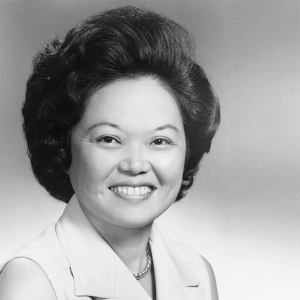
Patsy Mink - Politian/Humanitarian
(December 6, 1927 – September 28, 2002)
In 1959 when Hawaii became a U.S. State, Patsy Mink knew she wanted to run for a position in government. Little did she know, she would become the first woman of color elected to the U.S. House of Representatives and the first Asian-American woman to serve in Congress.
Alexander, Kerri Lee. “Patsy Mink.” National Women’s History Museum, 2019. Date accessed.
-
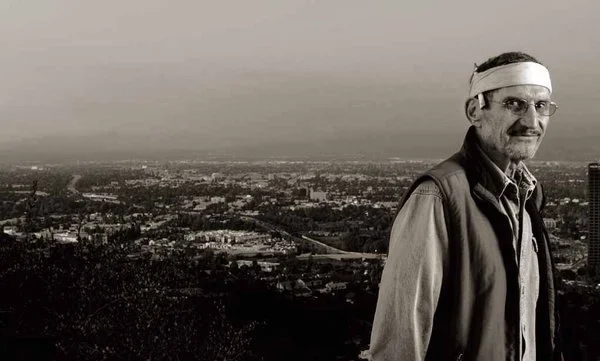
Larry Haun - Builder/Humanitarian
(May 6, 1931 - October 24, 2011)
American union journeyman carpenter and author known for his skills and techniques expressed through his career in production home building as well as his instructional videos and books. A framing legend who made Habitat for Humanity what it is today, and gave us the “one to set, one to swing!” mentality. If you want to know how to build a house or a even a shed, look him up on YouTube.
-
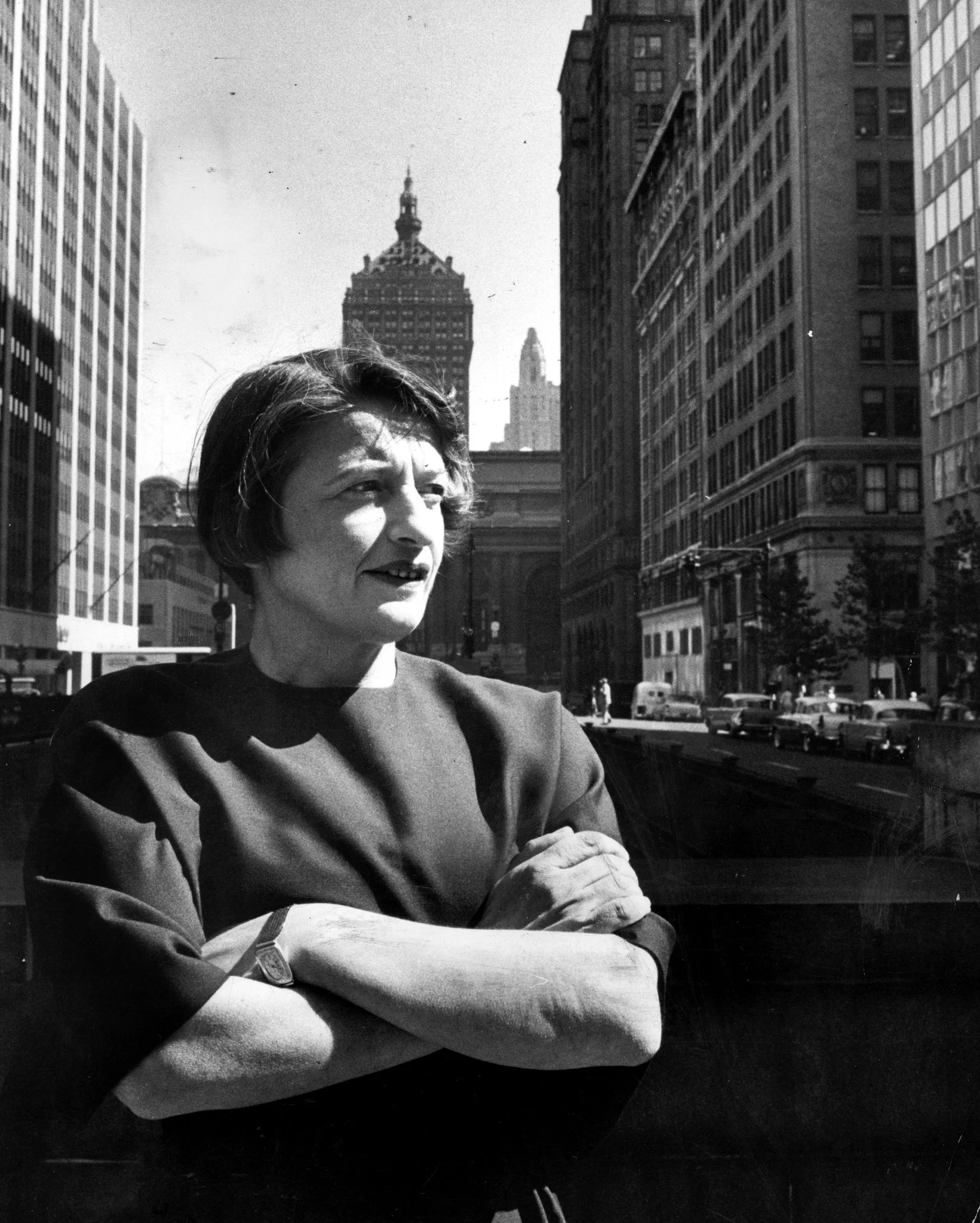
Ayn Rand - Philosopher/Humanitarian
(January 20, 1905 – March 6, 1982)
A Russian-born American writer and philosopher. She is known for her fiction and for developing a philosophical system she named Objectivism. Born and educated in Russia, she moved to the United States in 1926. She achieved fame with her 1943 novel, The Fountainhead. In 1957, Rand published her best-known work, the novel Atlas Shrugged. An advocate and believer of the importance of Individual Rights.
-
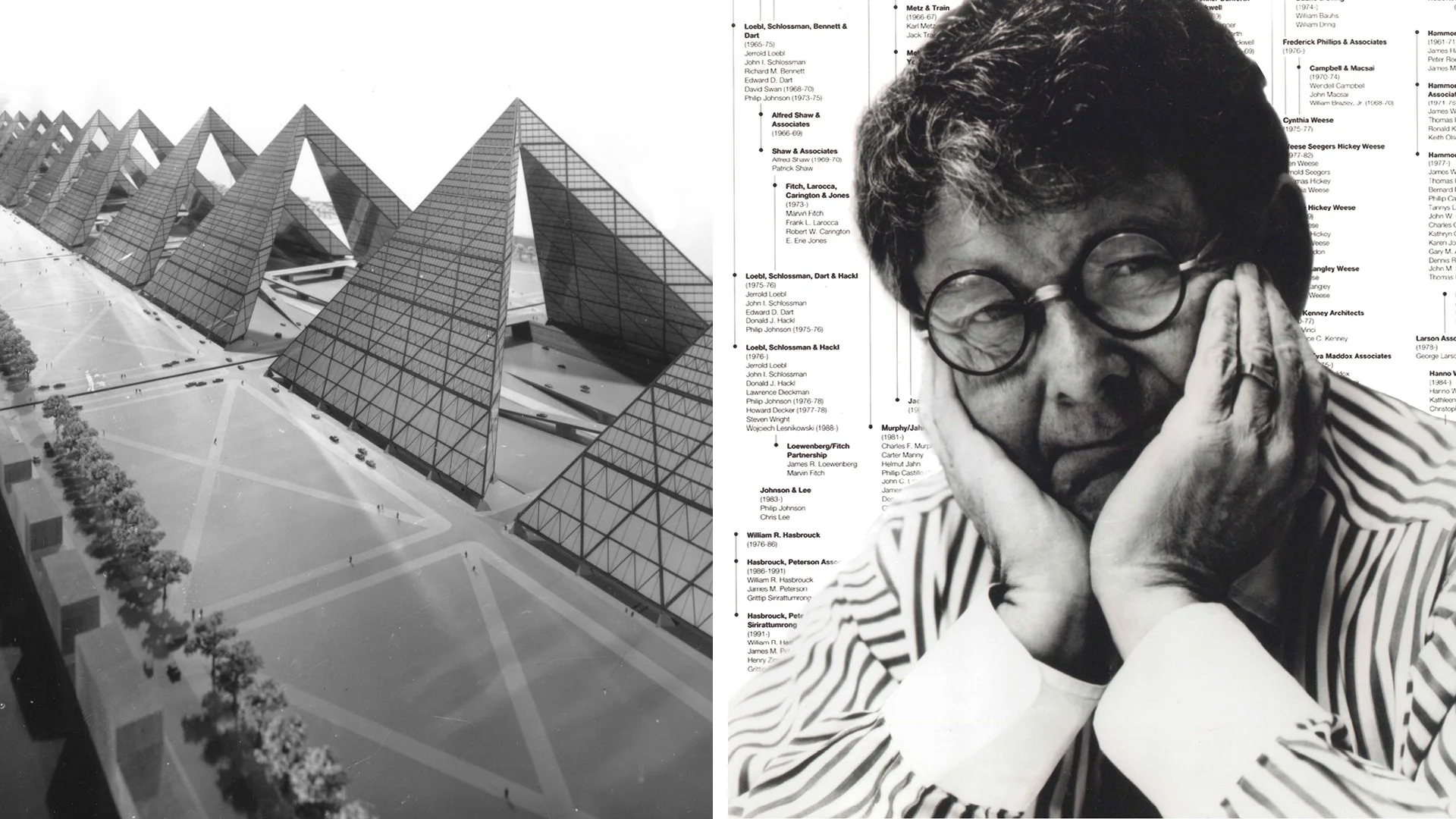
Stanley Tigerman - Architect/Humanitarian
(September 20, 1930 – June 3, 2019)
An American architect, theorist and designer.
Here’s a line he uses often: “You know, I’m Jewish, and the Jewish god established a quota for Jewish architects. They can only work on so many suburban homes for Jewish American Princesses and I reached my quota five years ago.” He’s happy to share his wife’s blunt assessment of him–“You’re now at the stage where you design bridges to burn.” He says it’s time to give back, time to focus on the ethical and moral obligations of architecture.
-
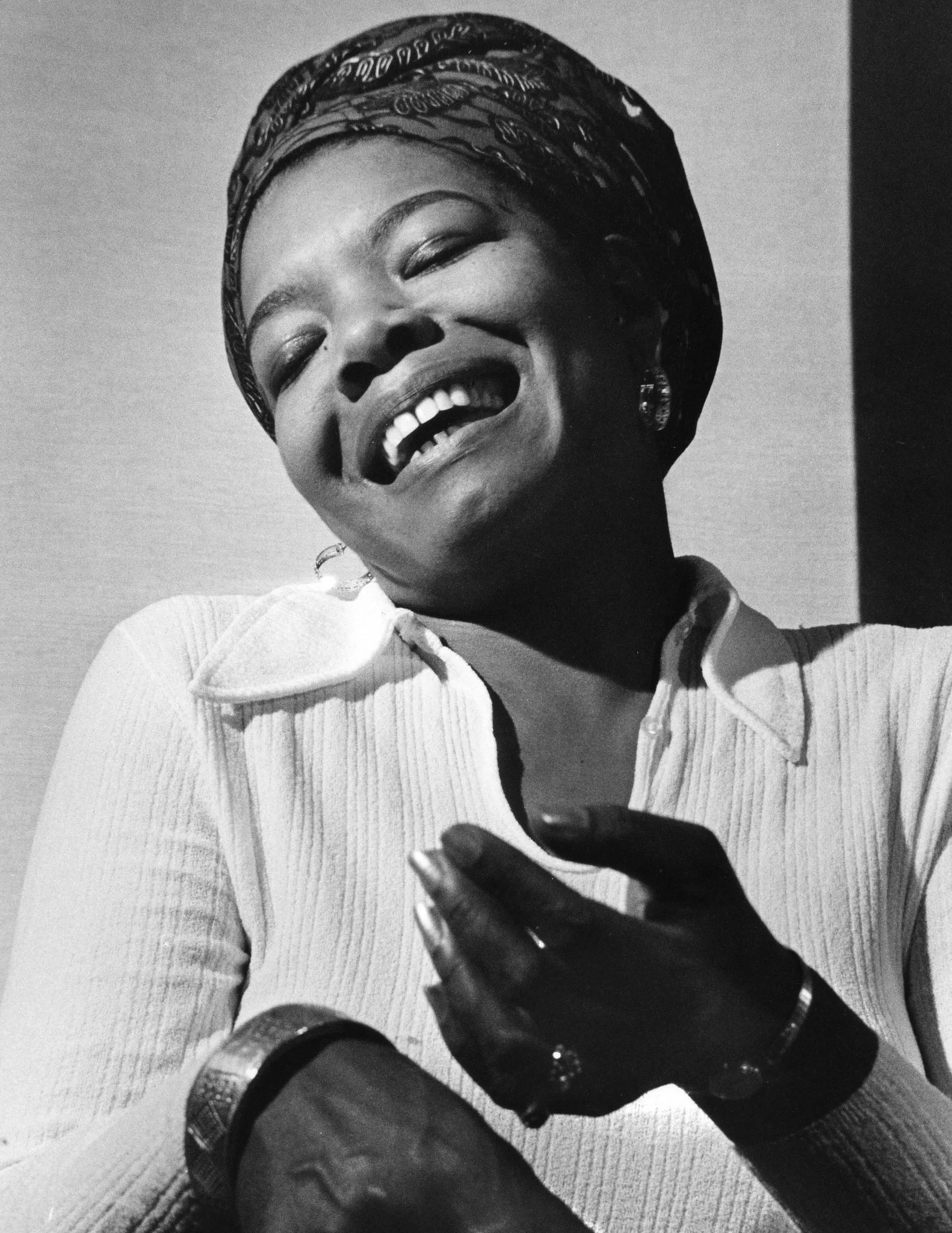
Maya Angelou - Memoirist/Humanitarian
(April 4, 1928 – May 28, 2014)
An American memoirist, popular poet, and civil rights activist. She published seven autobiographies, three books of essays, several books of poetry, and is credited with a list of plays, movies, and television shows spanning over 50 years. She received dozens of awards and more than 50 honorary degrees.[3] Angelou is best known for her series of seven autobiographies, which focus on her childhood and early adult experiences. The first, I Know Why the Caged Bird Sings (1969), tells of her life up to the age of 17 and brought her international recognition and acclaim.
-
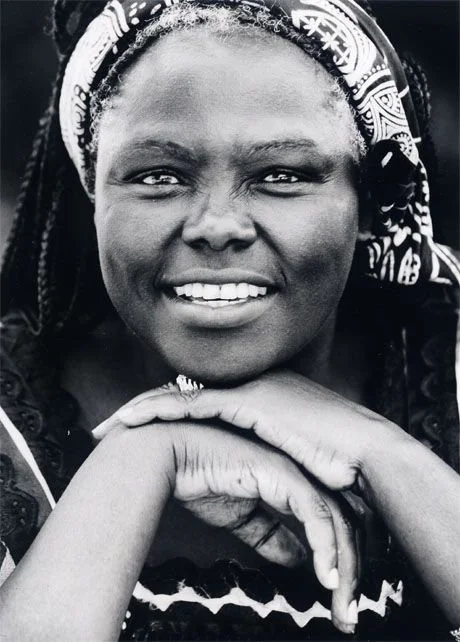
Wangari Maathai - Enviromentalist/Humanitarian
(April 1, 1940 – September 25, 2011)
Founded the Green Belt Movement, a grassroots movement in 1977 to plant trees across Kenya with a goal to plant 1,000,000 trees, alleviate poverty and end conflict. She was driven by a perceived connection between environmental degradation and poverty and conflict. “Poor people will cut the last tree to cook the last meal,” she once said. “The more you degrade the environment, the more you dig deeper into poverty.” She faced and rose above much adversity in her life while staying true to Altruistic mission.
-
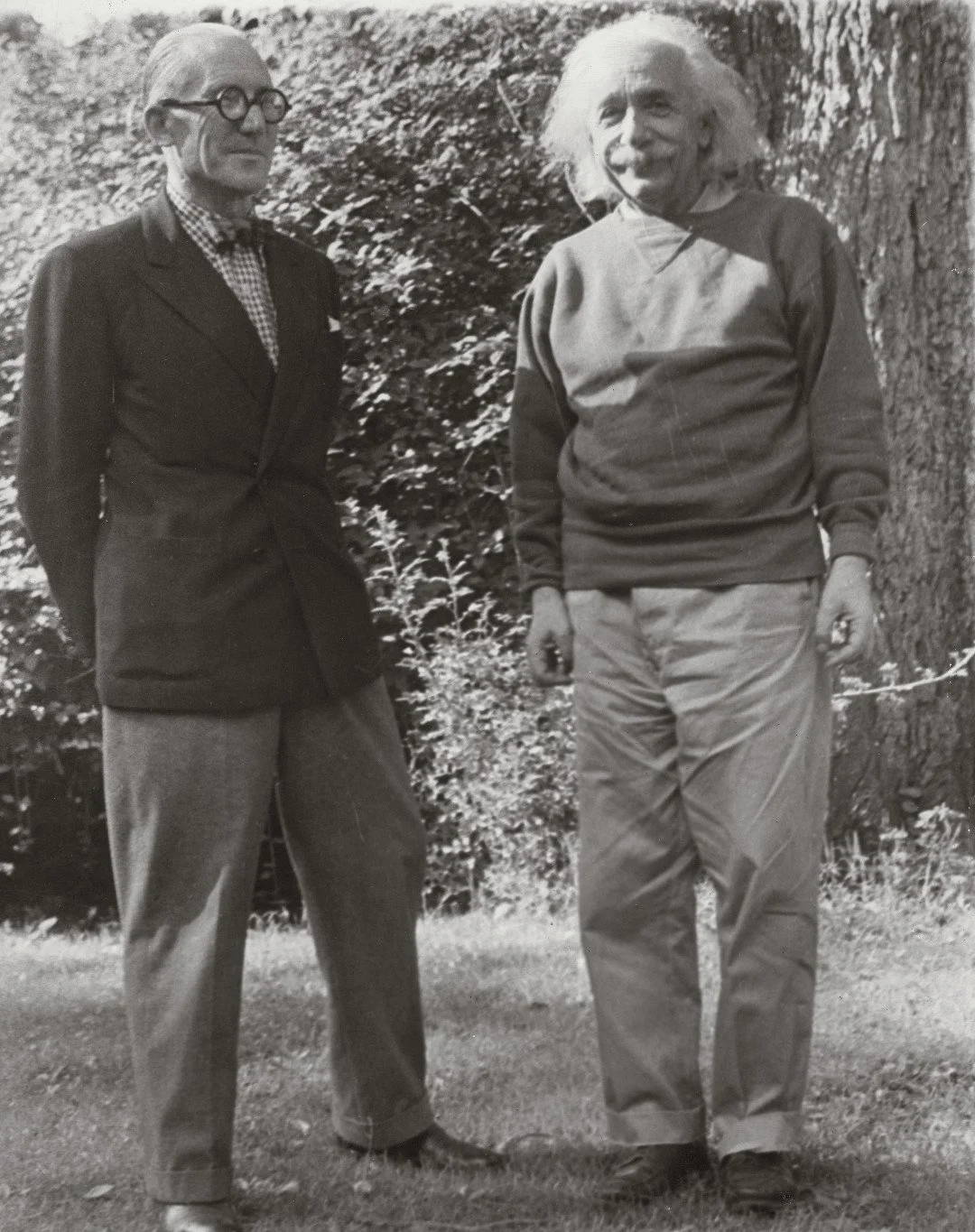
Charles-Édouard Jeanneret (Le Corbusier) Architect/Humanitarian
"the crowlike one"
A Swiss-French architect, designer, painter, urban planner, writer, and one of the pioneers of what is now regarded as modern architecture. He was born in Switzerland and became a French citizen in 1930. His career spanned five decades, and he designed buildings in Europe, Japan, India, and North and South America.
Dedicated to providing better living conditions for the residents of crowded cities, Le Corbusier was influential in urban planning, and was a founding member of the Congrès International d'Architecture Moderne (CIAM).
-
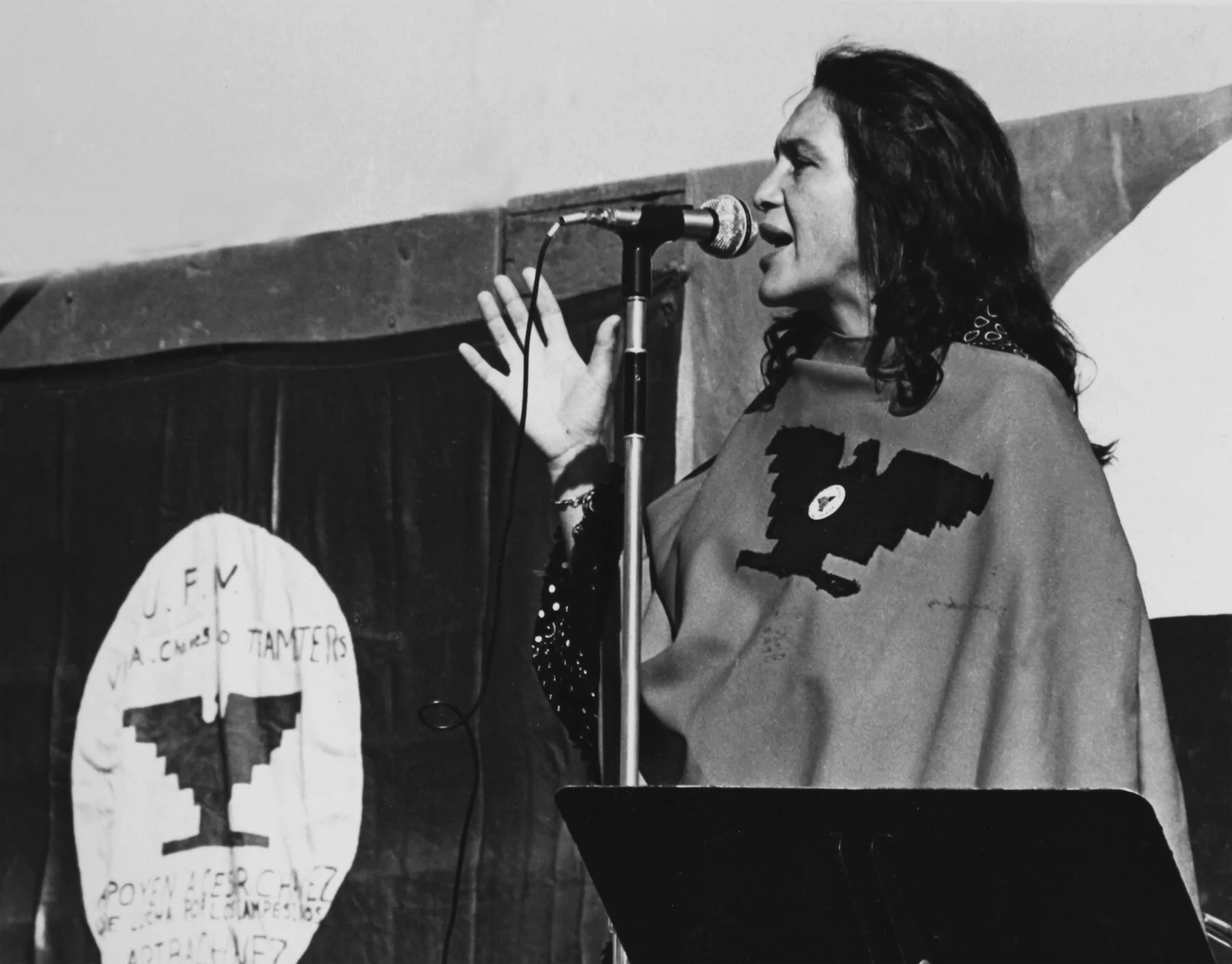
Dolores Huerta - Activist/Humanitarian
(April 10, 1930 - )
Dolores Huerta is a civil rights activist and community organizer who has fought for labor rights and social justice for more than 50 years. In 1962, she and Cesar Chavez founded the United Farm Workers union. She is credited with the rallying cry, "Si Se Puede!" She received the Eleanor Roosevelt Human Rights Award from President Bill Clinton in 1998. In 2012, President Barack Obama bestowed Dolores with the Presidential Medal of Freedom, the highest civilian honor in the US.
-
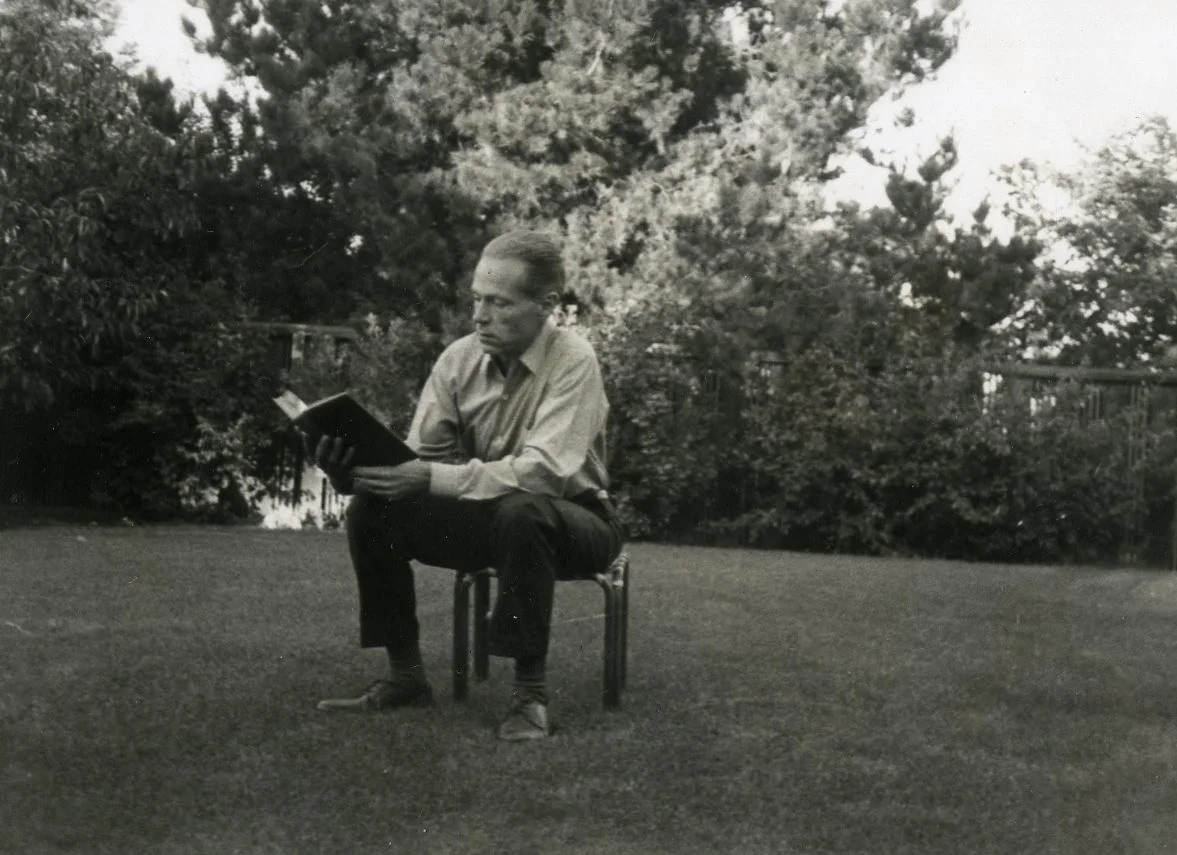
Albert O. Hirschman - Economist/Humanitarian
(April 7, 1915 – December 10, 2012)
An economist and the author of several books on political economy and political ideology.
Giving us a clear way as a Capitalistic society to use our intelligence to help guide and inform our discussions/decisions with others creating a framework to help us better understand and avoid reacting emotionally to our bilateral relationships. His theory is based on the conceptions or Capitalism and the freedom in market it brought.
In World War II, he played a key role in rescuing refugees in occupied France.
-
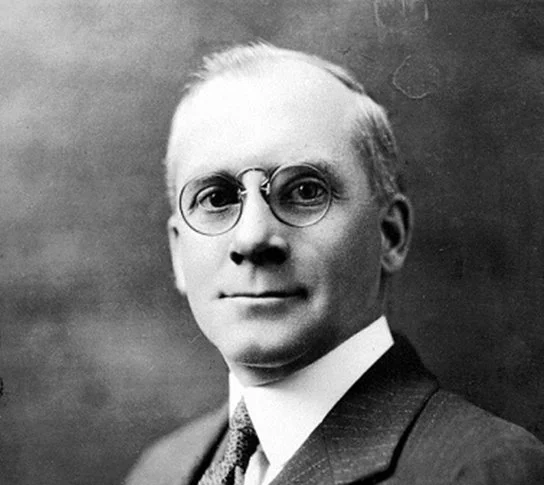
Asa Jennings
(1877–1933)
A Methodist pastor from upstate New York and a member of the YMCA. In 1904, while in his twenties, Jennings was struck down by Pott's disease, a type of tuberculosis which affects the spine. As a result of his tuberculosis, he stood not much taller than 5 foot and with a noticeable hunch back. In 1922, he commanded the evacuation of 350,000 helpless refugees from the shores of Smyrna (today İzmir) in Turkey following the Great Fire of Smyrna. For his work, Greece awarded Jennings its highest civilian honor, the Order of the Redeemer, and the highest war honor, the medal of Military Merit.
In 2022, a documentary featuring Asa K. Jennings and his heroic efforts was produced by Mike Damergis. Smyrna - Paradise is Burning, The Asa K. Jennings story - click the link below to watch, you won’t regret it :)
-
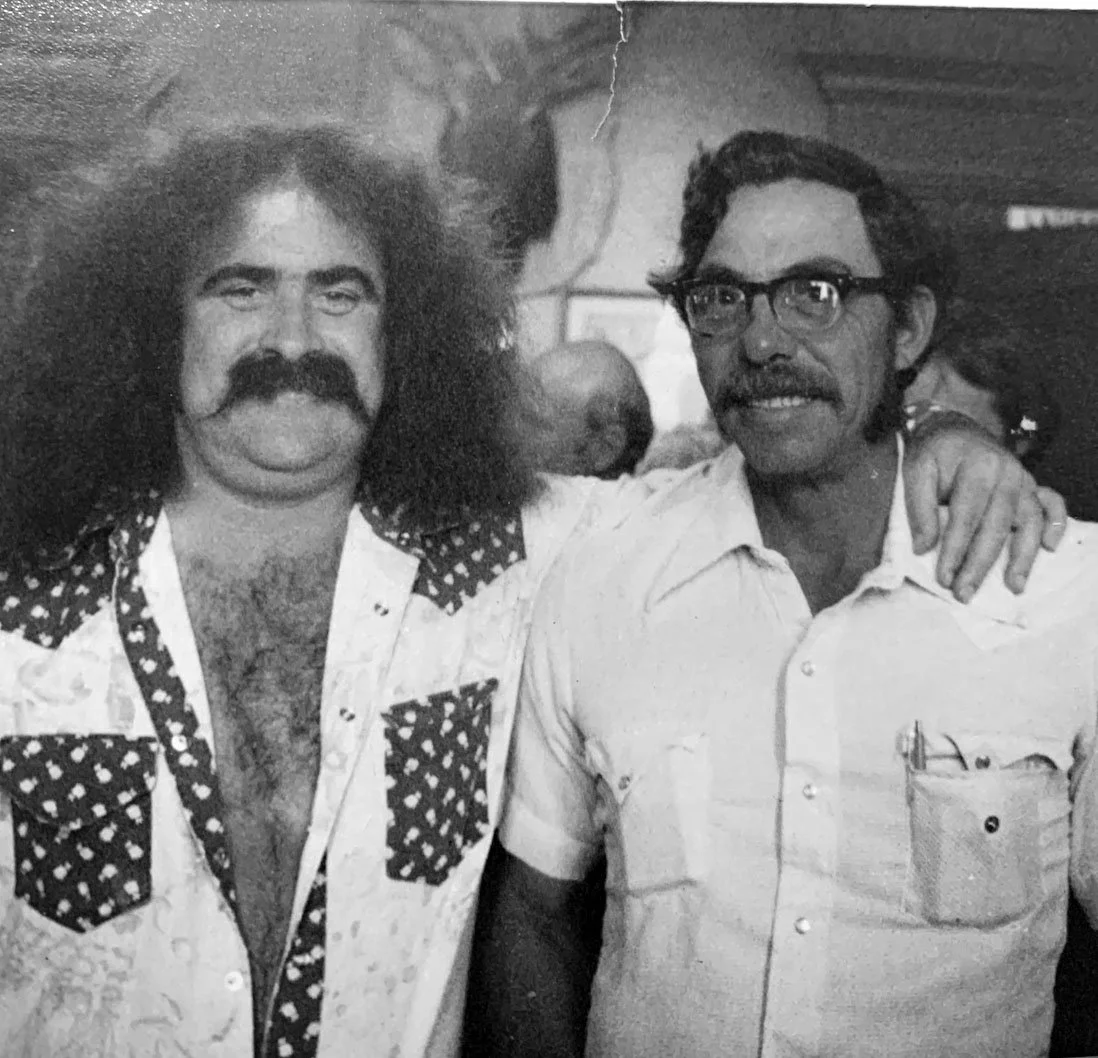
Jim Burleigh
(April 13, 1945 — Sept. 9, 2022)
“A Telluride Legend”
“Jim was always sanguine about the future of Telluride and the ultimate effect money would have on a place as small and beautiful as Telluride. He did what he could to keep Telluride livable for the non-rich. He helped put into place a real estate transfer tax to fund employee housing projects. He paid into that fund in 2020 when the combination of the altitude and distance made it impossible for him to come back. He was proud of how inexpensively he was able to build 299 South Spruce and kept it in the rental pool. The scene of many epic parties, in its 40-plus years it was his office, a sewing studio, a church, a preschool, several boutique businesses, an extra family bedroom and a home for many working young people.”